all marketsMeat Substitutes
San Francisco · 2 grocers · Niche

the meat substitutes aisle

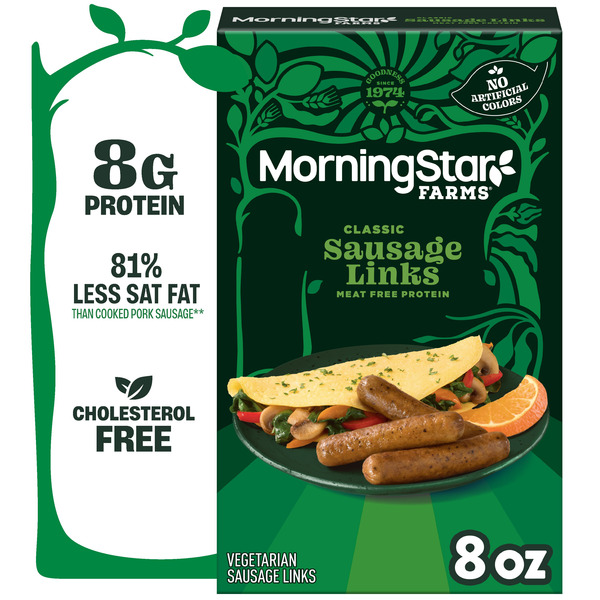
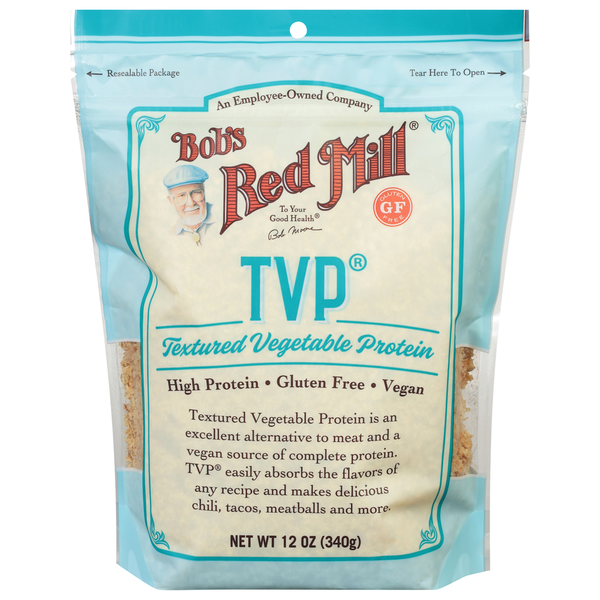
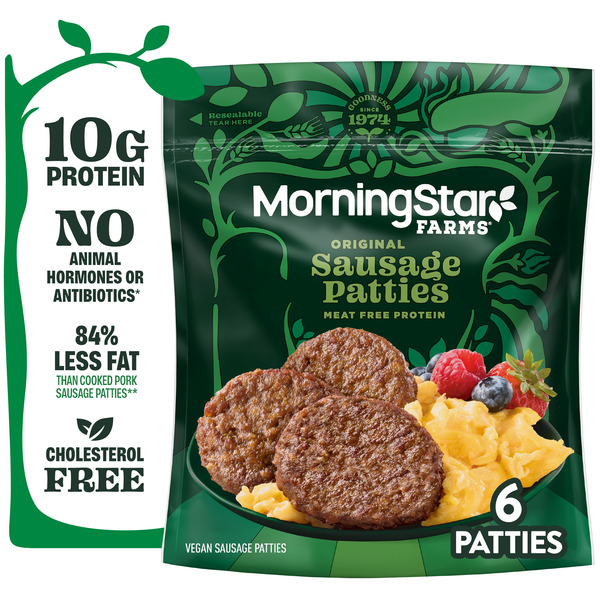
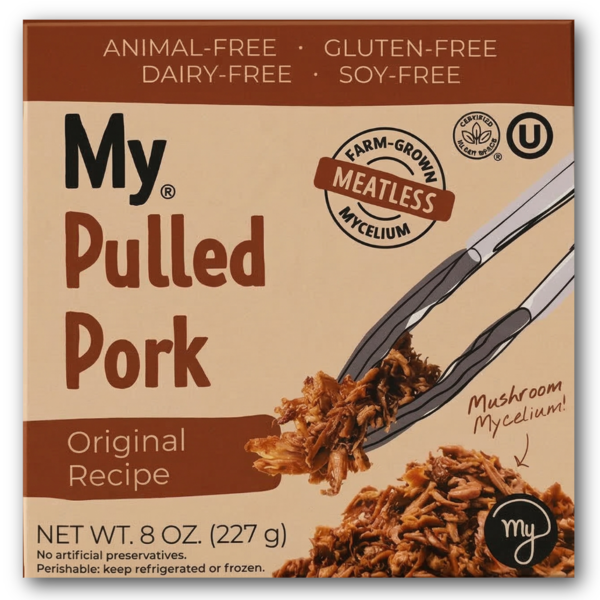
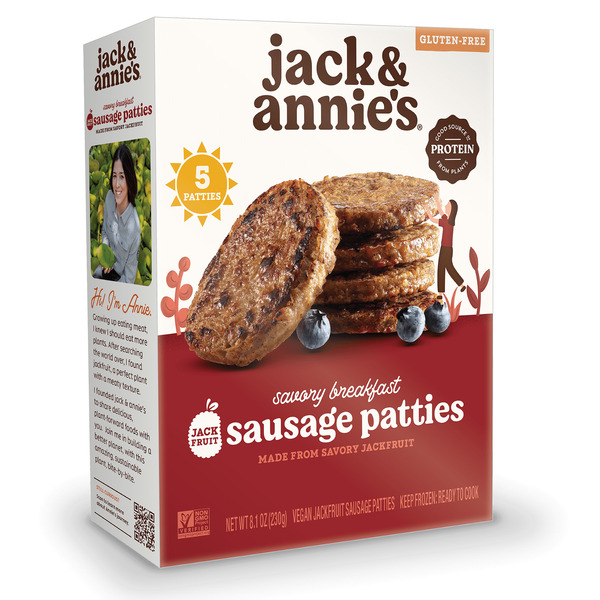
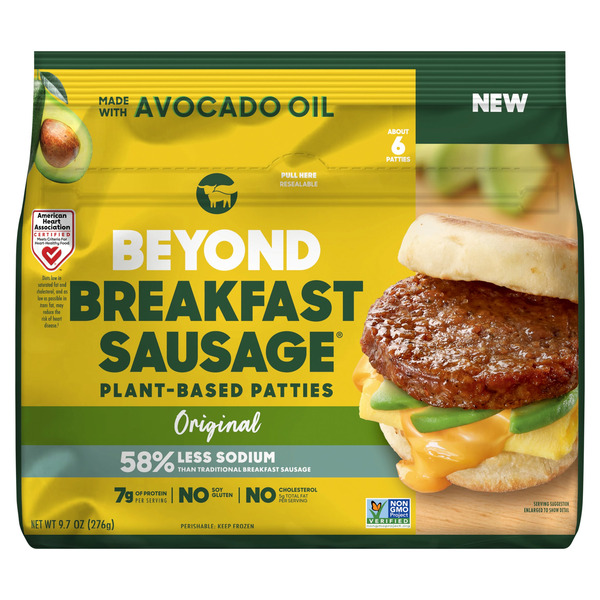
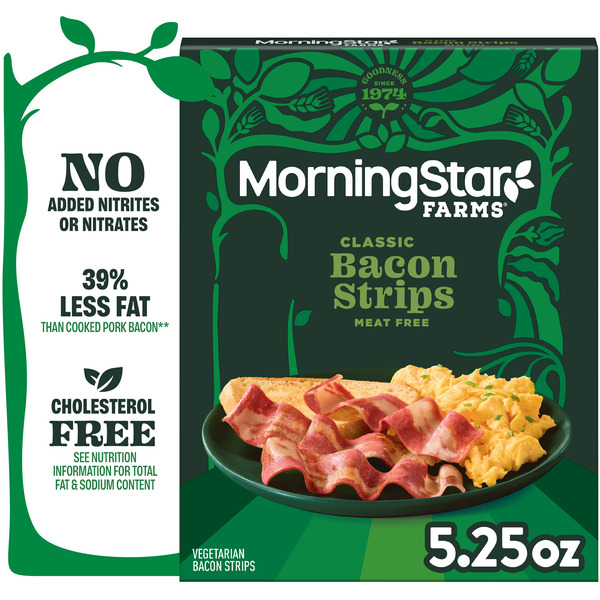
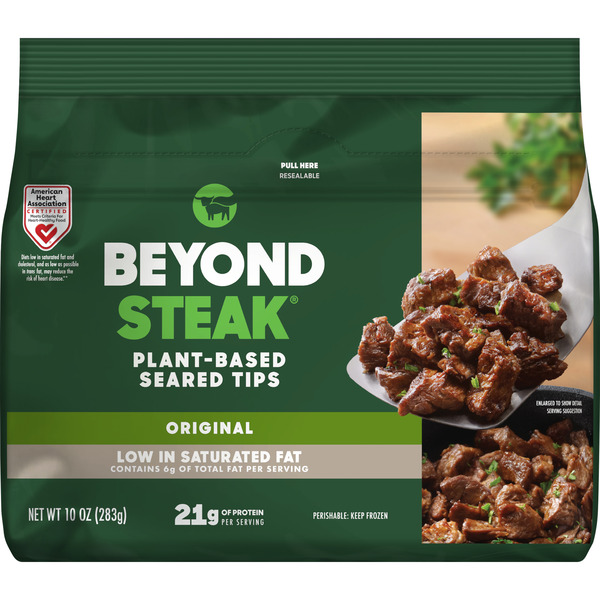
San Francisco's meat substitutes aisle is a niche shelf with only a handful of brands: 5 products from 4 brands across 2 grocers. mypulledpork owns the most shelf — 40% of SKUs, ahead of bob's red mill. The shelf leans plant-based — 80% of SKUs carry that claim. Verdict: niche — a boutique shelf — only a handful of brands (opportunity 60/100).

5
products
4
brands
$9.81
avg price
$5.59–$14.19
typical range

Zoom in

this aisle breaks into 2 sub-categories — open one for its own shelf report.

Who owns the shelf

brands by share of the meat substitutes shelf.

mmypulledpork
40% of shelf2 SKUs
bob's red mill
20% of shelf1 SKU
mmorning star farms
20% of shelf1 SKU
uupton's naturals
20% of shelf1 SKU

How it's positioned

the claims products on this shelf lead with — share of SKUs carrying each.

Plant-Based
80%
Dairy-Free
80%
Vegan
60%
Vegetarian
60%
Heart Health
40%
Organic
20%
Weight Management
20%
Gluten-Free
20%

Brand positioning

every brand by share of shelf × price. bubble size = the brand's total reach across all aisles; color = positioning stance. top-right owns the premium end; bottom-right owns the mainstream.

scale
premium leadersmainstream leadersniche premiumvalue playersshare of shelfavg $/oz
Color:indulgentbetter-for-you
Size:total brand reach (SKUs across all aisles)
price normalized per oz (sizes vary)

All stores combined. Tap a store to see who wins its shelf.

Market structure

20
low
Brand competition
how many brands compete
74
high
Variety of offers
how differentiated the shelf is
28
low
Top-brand grip
how much a few brands dominate
60
med
Launch whitespace
room for a new brand

store-brand share: 0% · scores 0–100.

More aisles

how we measure.prices & assortment are collected from public storefronts of San Franciscogrocers, deduped to distinct products, and normalized to a per-unit price from each product's parsed size. market-structure scores come from brand shares. figures update as we re-measure. full methodology →