
bi-rite market
Bi-Rite Market is a specialty grocery store chain based in San Francisco, California, founded in 1940. Known for its commitment to local sourcing and sustainability, the market offers a variety of house-made prepared foods, artisanal chocolates, and renowned ice cream flavors, including the popular Ricanelas. Bi-Rite operates three locations in San Francisco, with a fourth planned for 2027.
Bi-Rite Market is a niche player with its own distinct flavor in the ice cream aisle, where it competes with giants like Häagen-Dazs and Ben & Jerry's. While it is priced above more than half of its rivals, its share in the ice cream category is modest. The brand's lineup is a sprawling mix of indulgent offerings, with a heavy focus on decadent ice cream flavors and an array of prepared foods and baked goods. Despite a broad product range, Bi-Rite Market's distribution is limited to just two grocers, suggesting a strategy focused on select, perhaps more upscale or specialty retail partners rather than mass-market saturation.
Shelf presence
Brand Power (0-100) blends four shelf signals. Price position is shown below for context · a value↔premium read, not part of the score.
Store brand. Bi-rite Market is exclusive to Bi-Rite Market by design, so Distribution · and therefore Brand Power · reads low next to national brands. Judge it against other store brands, not the shelf leaders.
exclusive to Bi-Rite Market. store brands sell in one chain by design, which caps this.
193 products in the catalog. how deep the product line is (saturating).
Where it owns shelf
each bar is the % of that category's SKUs that are Bi-rite Market (full bar = 100% of the shelf), grouped by department.
Top competitors
the brands crowding the same categories as Bi-rite Market · photographed shelf-mates first, then brands stocked beside it at the same grocers, then same-category rivals citywide.


The lineup
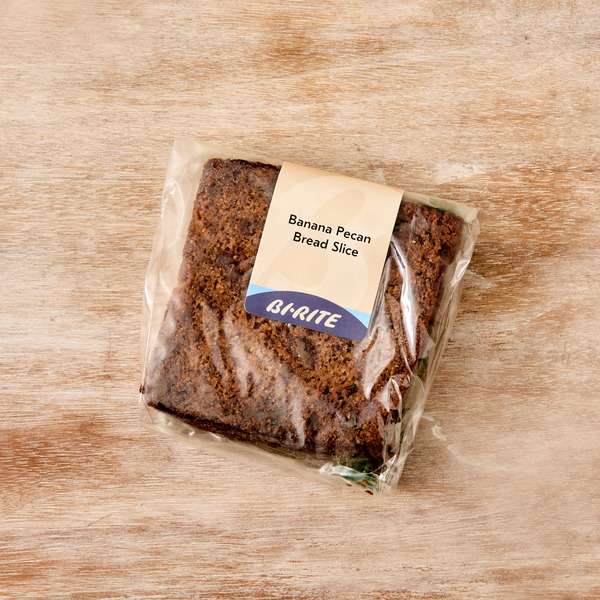
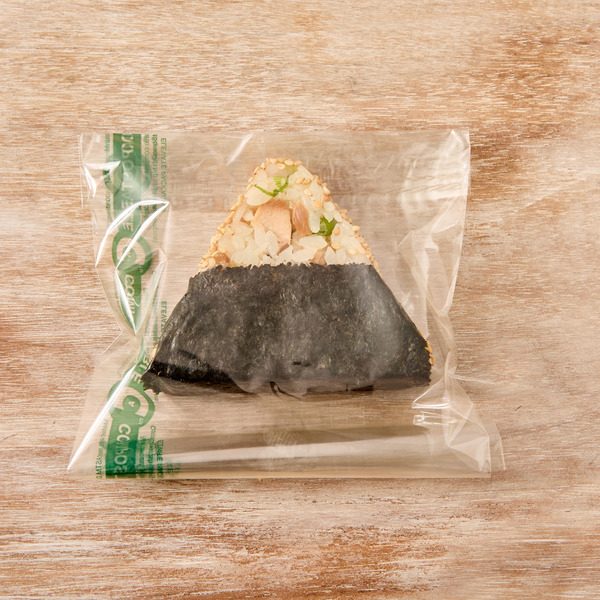
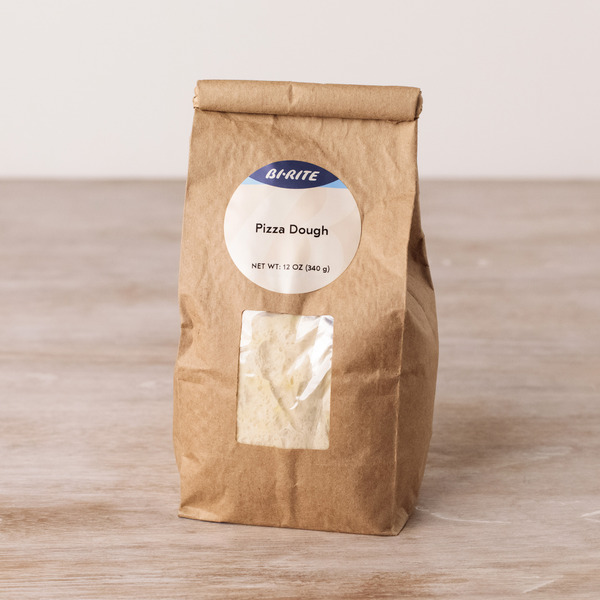
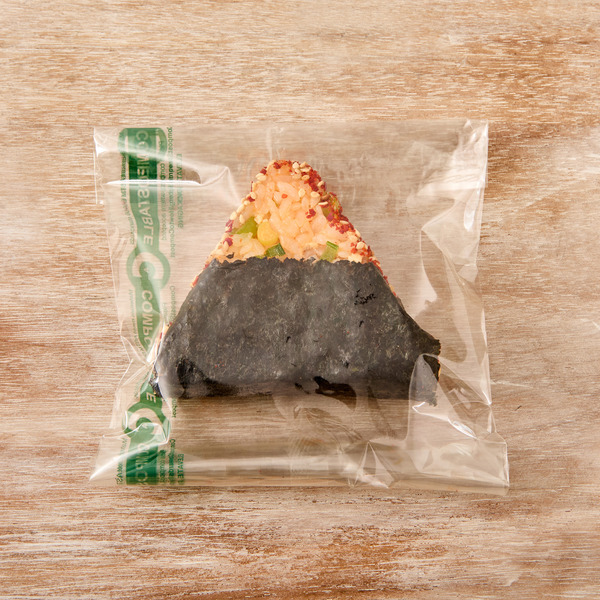
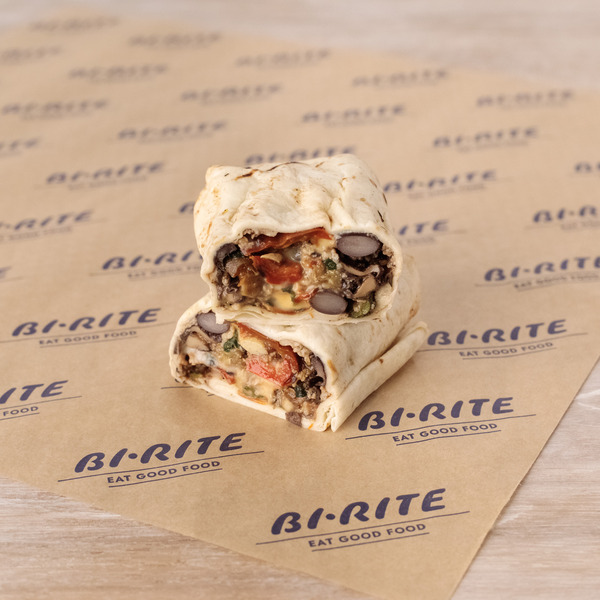
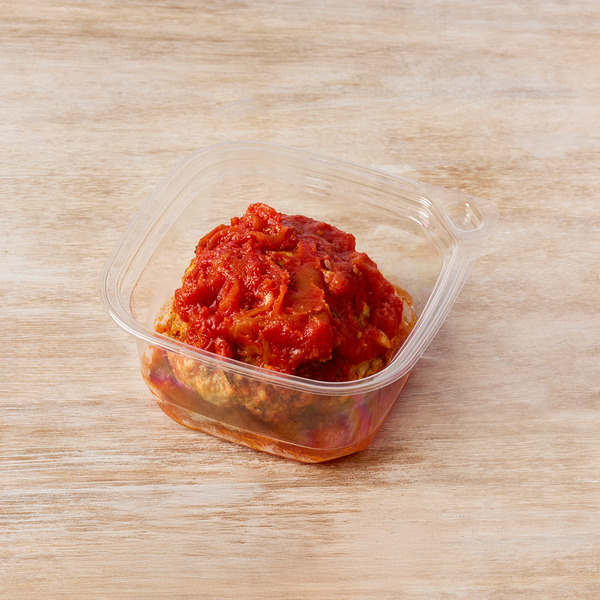
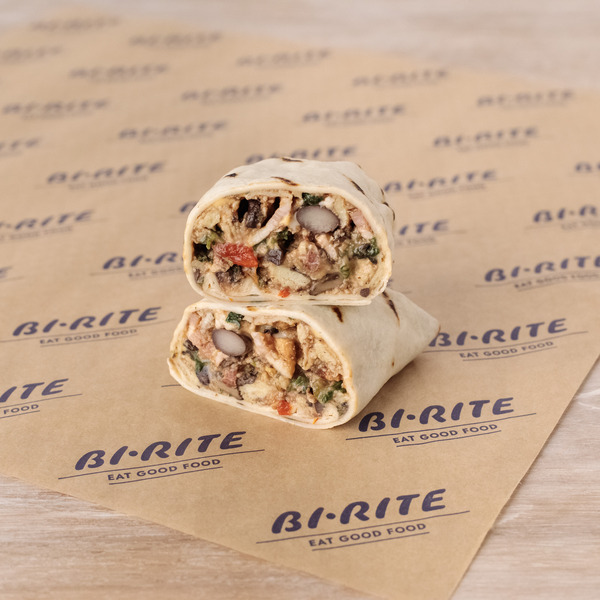
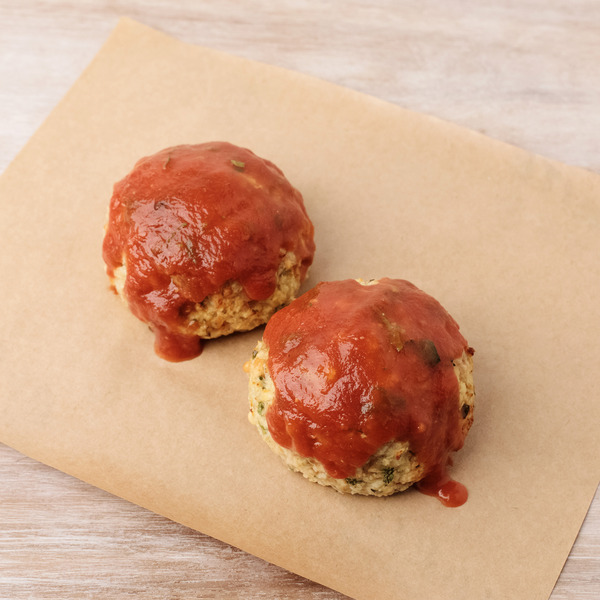
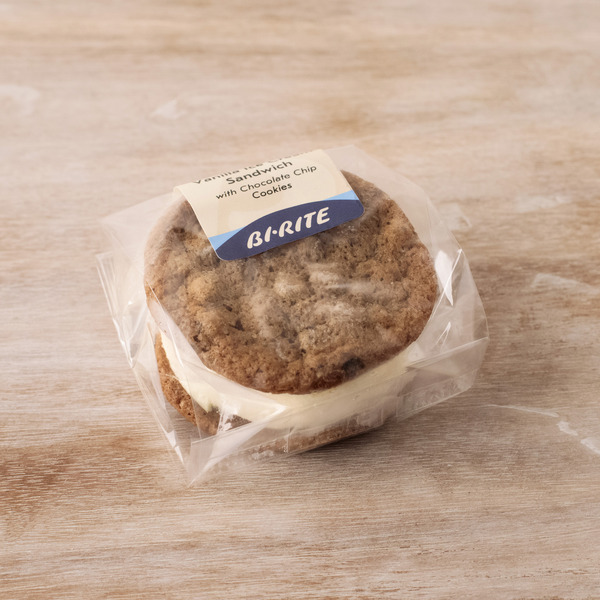
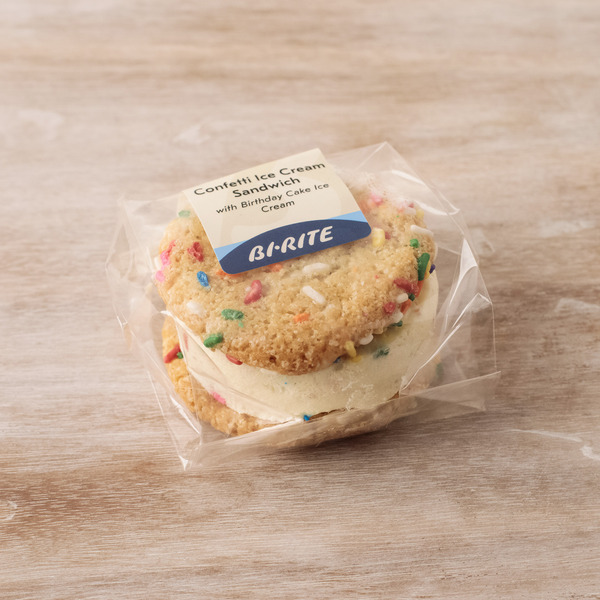
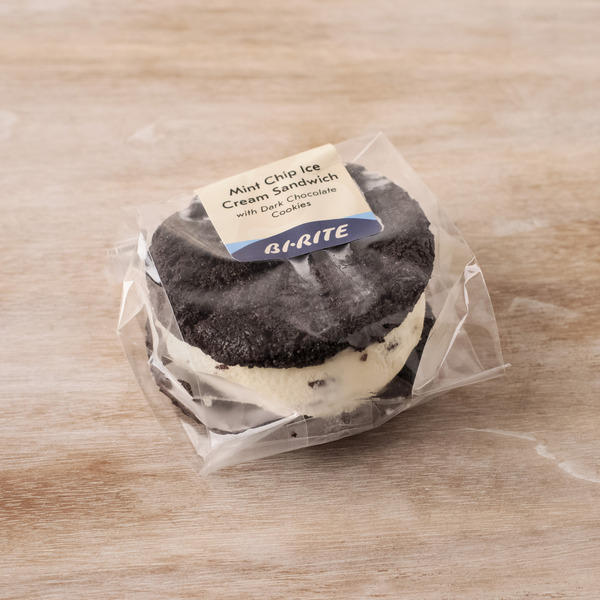
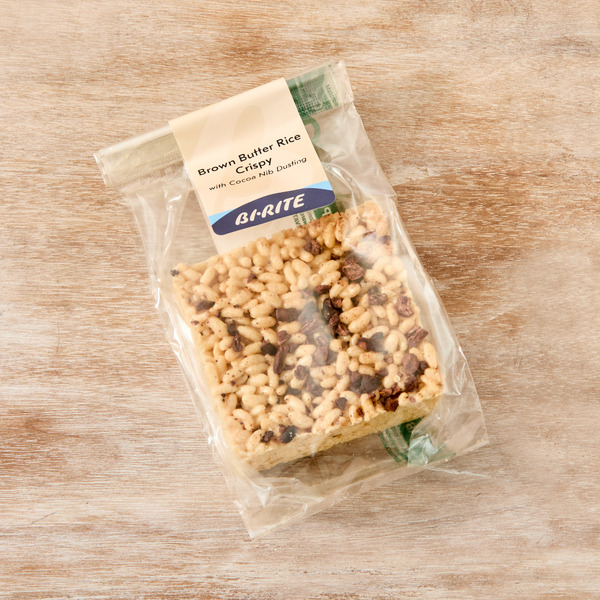
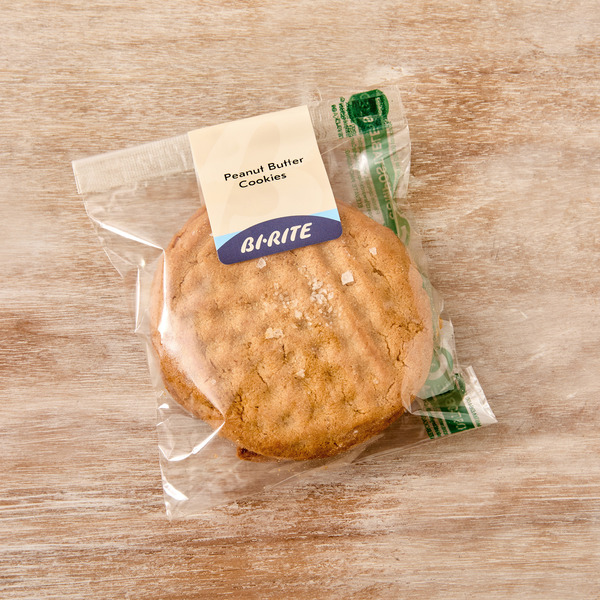
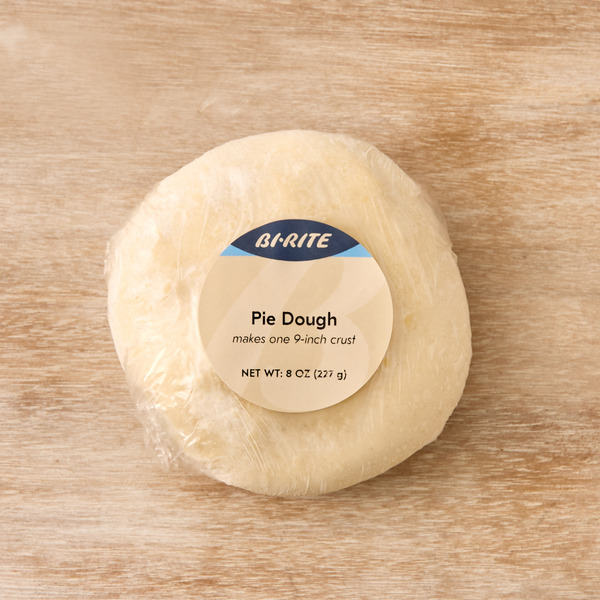
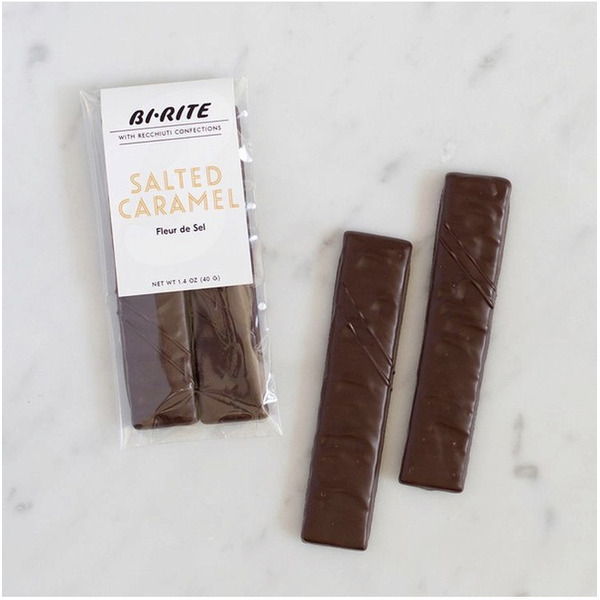
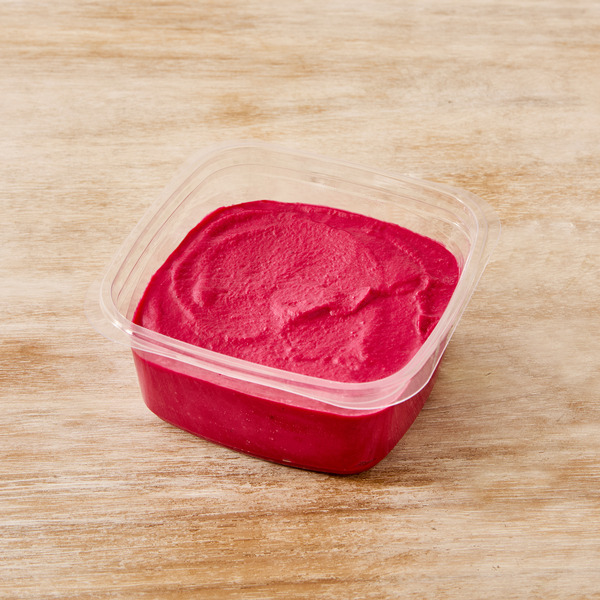
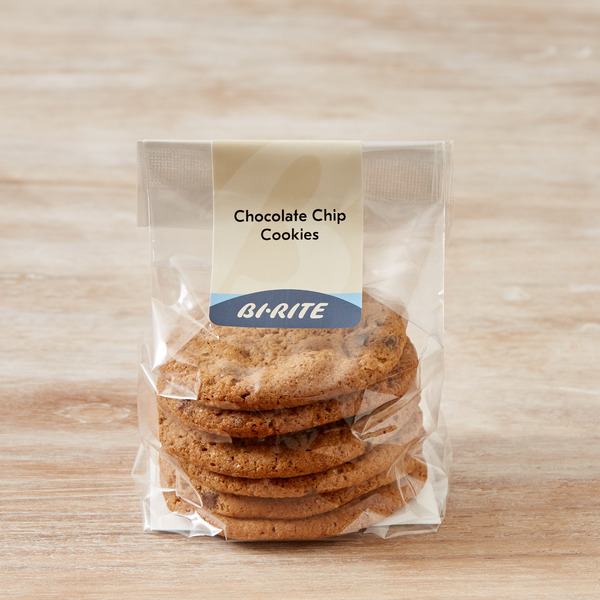
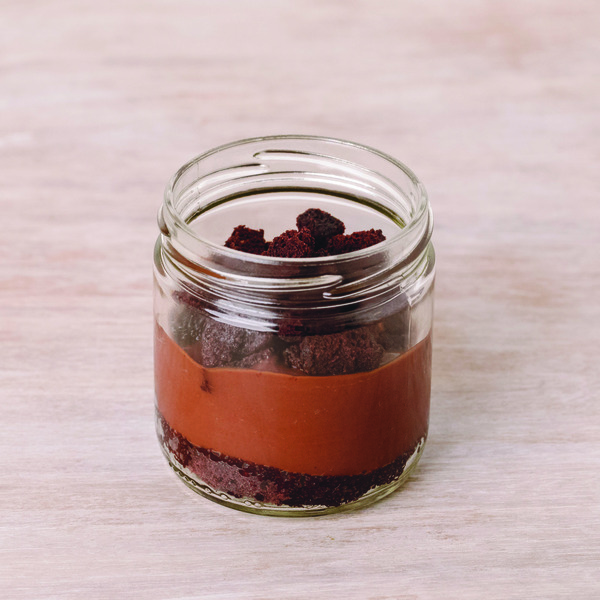
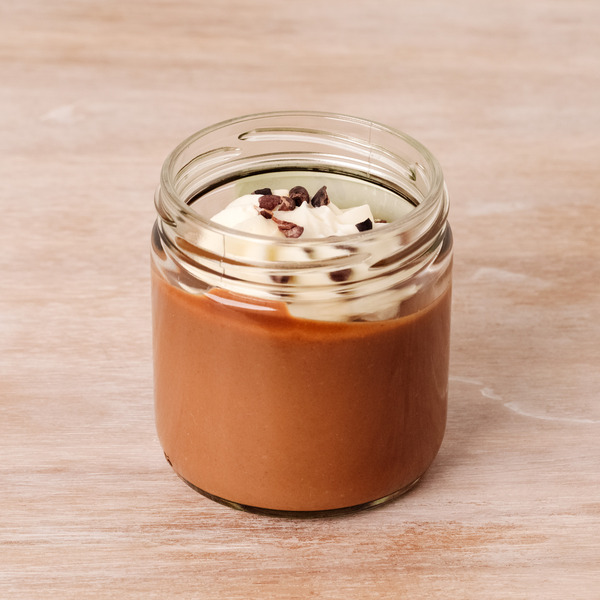
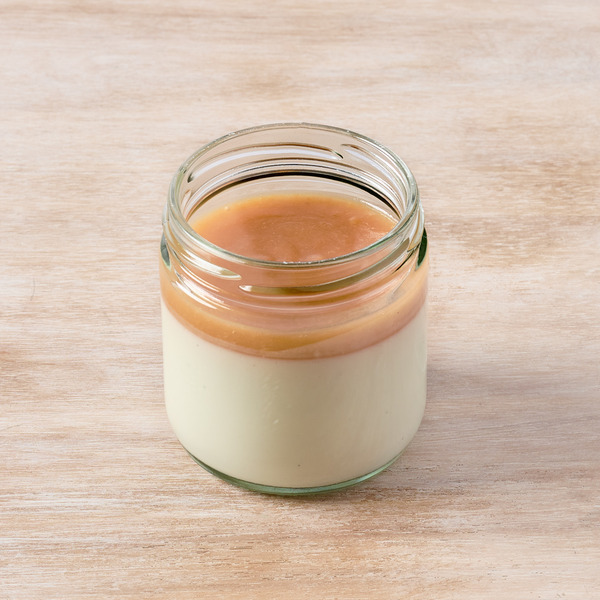
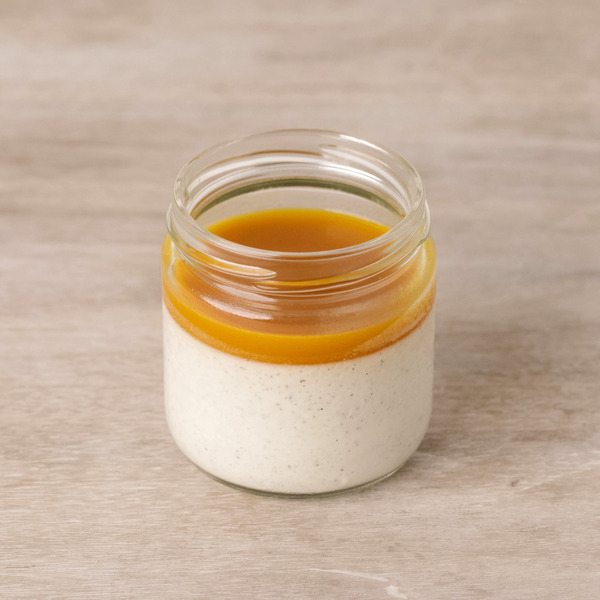
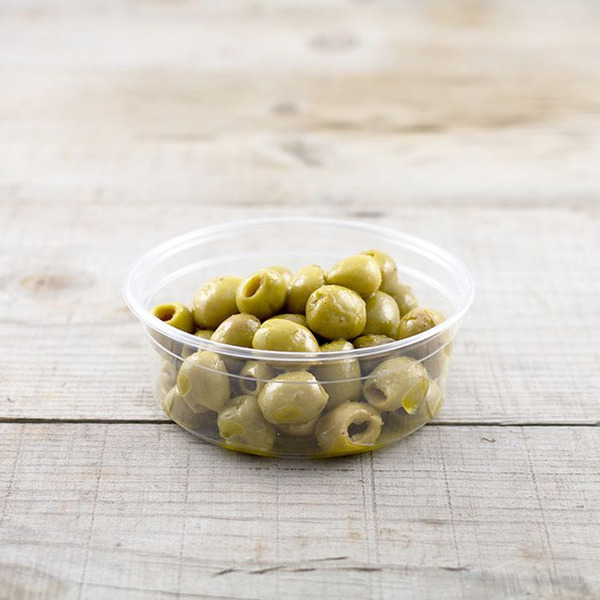
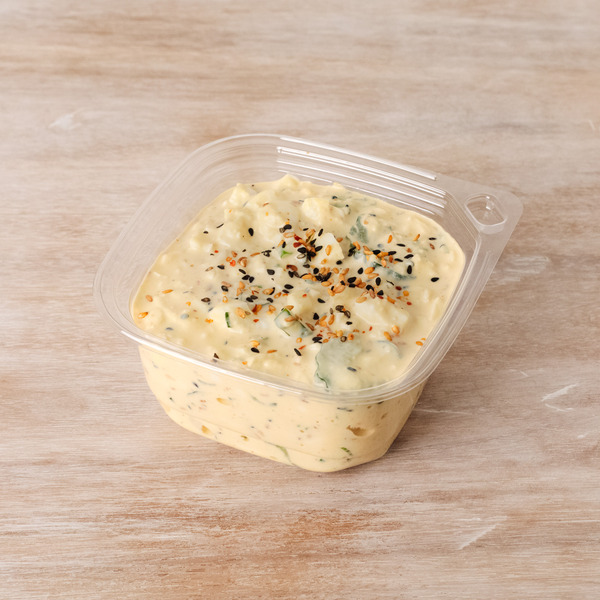
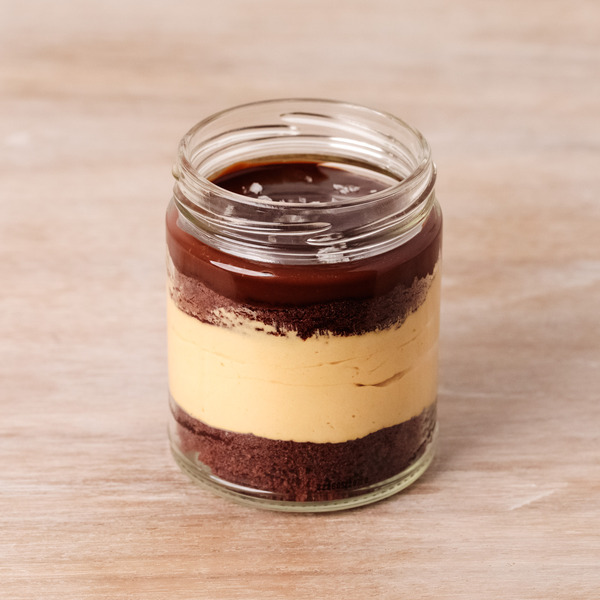
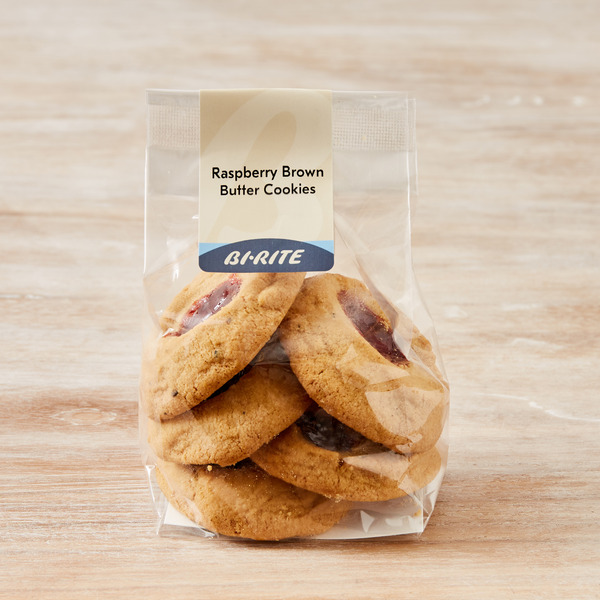
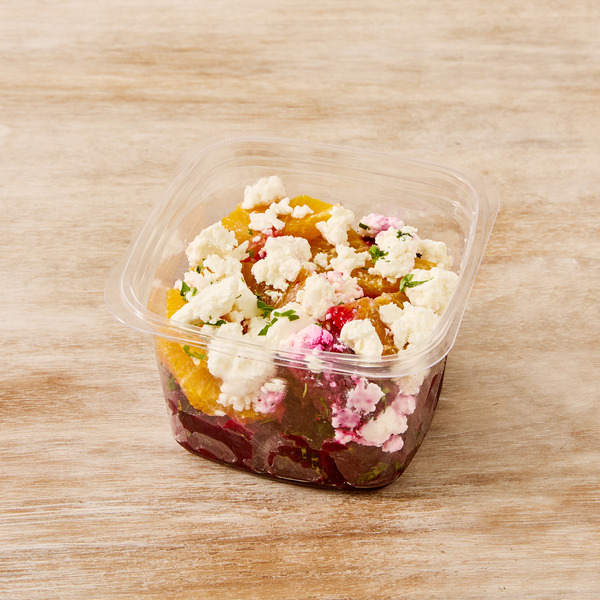
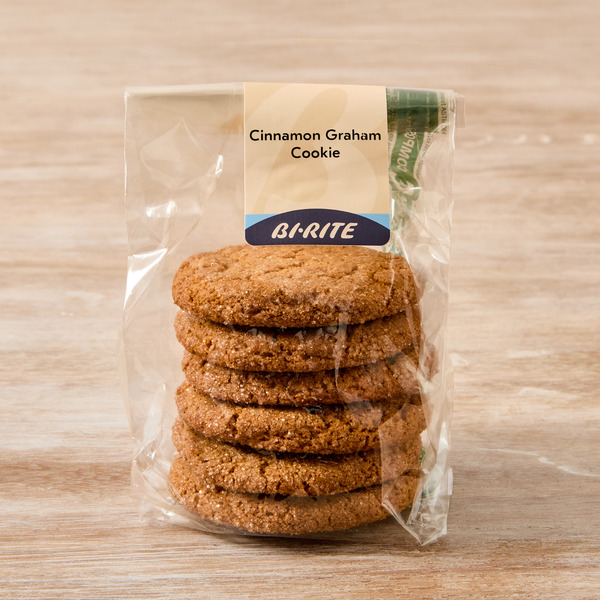
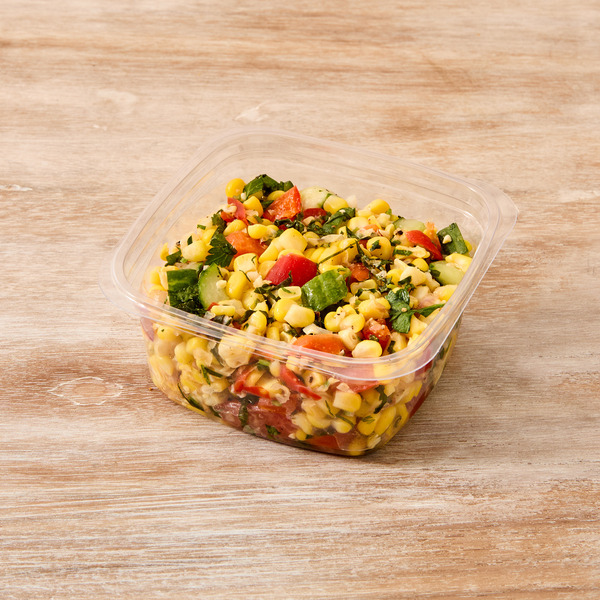
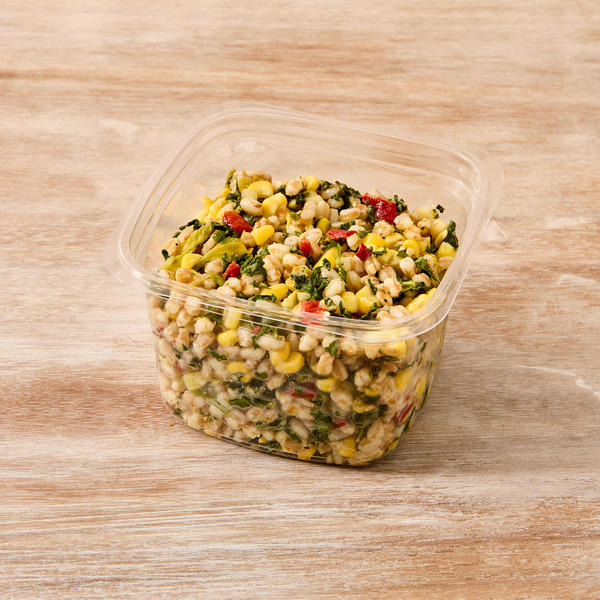
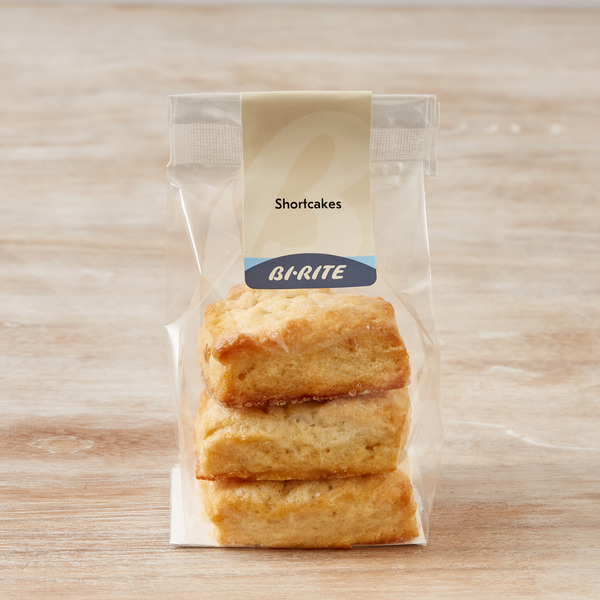
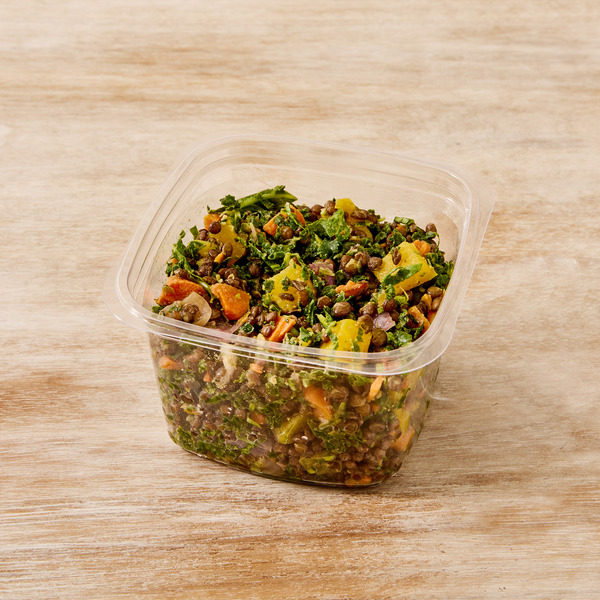
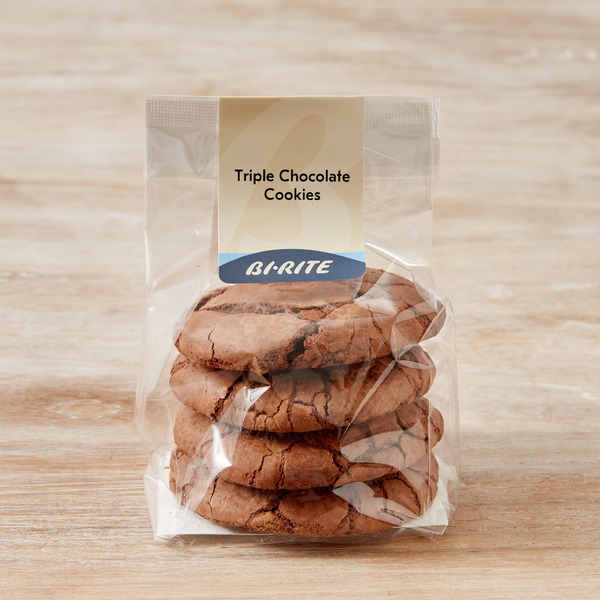
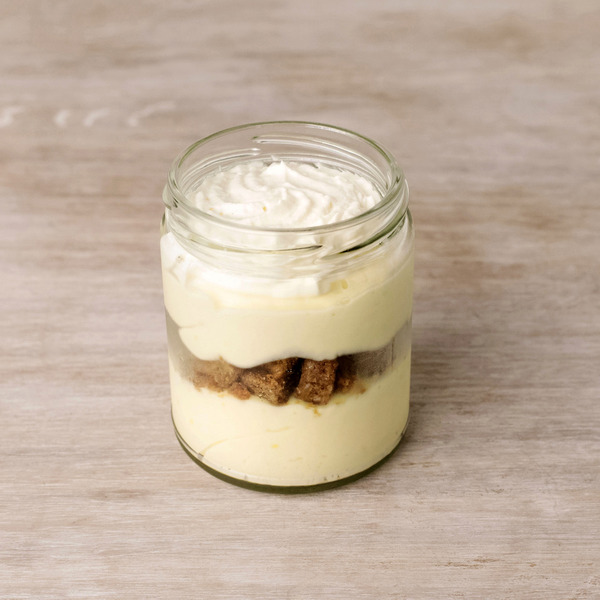
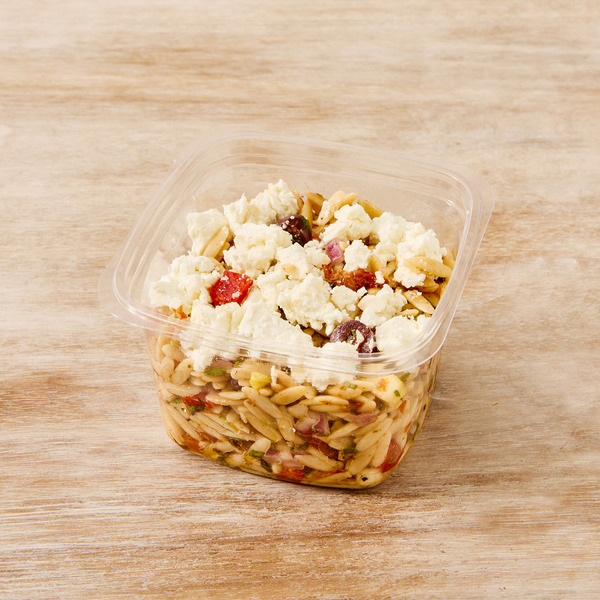
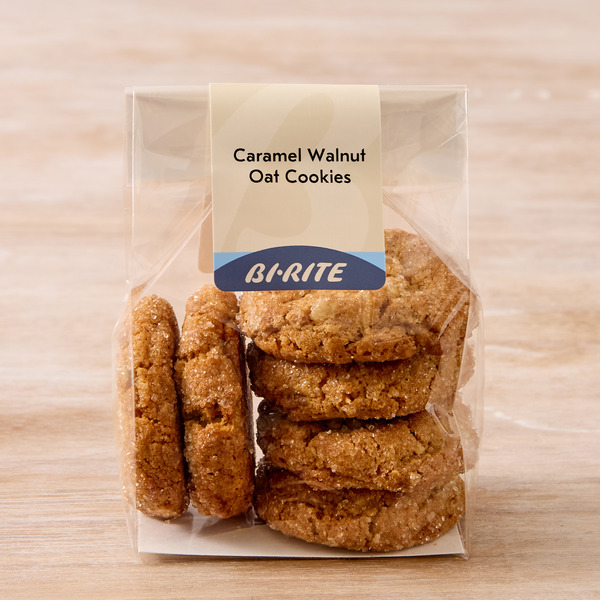
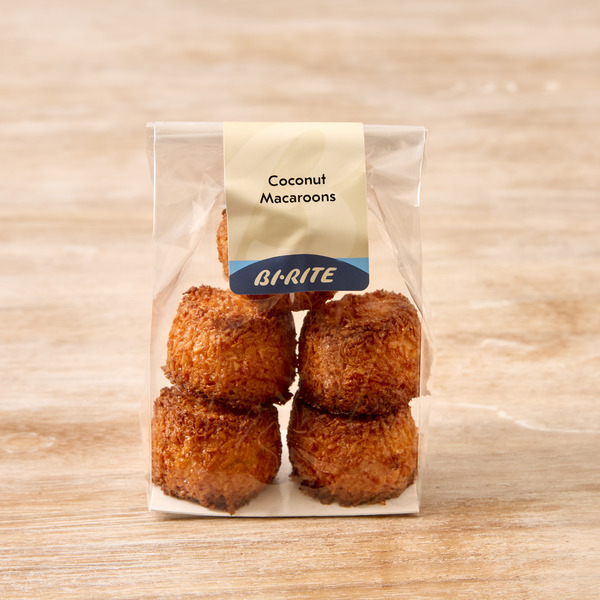
every Bi-rite Market product in stock, cheapest first.
Sold at
Find Bi-rite Market online
Where to find Bi-rite Market · Bay Area
8 storefronts across 2 grocers carry it · tap a pin to open the store.


